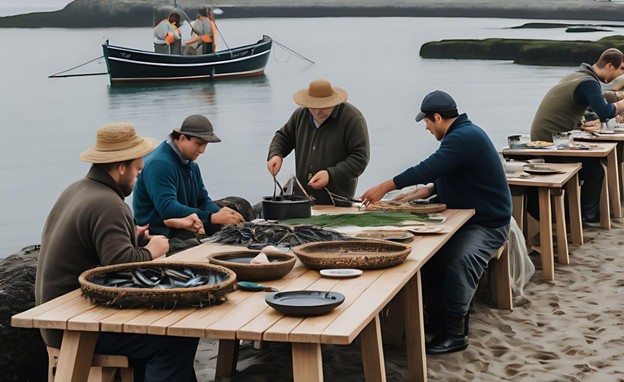
While travelers often remember destinations for landscapes, architecture, or famous landmarks, Jason Snyder of Maine points out that the most lasting impressions frequently come from food. The meals people experience while traveling often reveal deeper stories about local communities, where regional ingredients, cooking traditions, and culinary specialties form an interconnected ecosystem shaped by geography, history, and culture.
Across coastal destinations in particular, these ecosystems are shaped by centuries of fishing traditions, farming practices, and seasonal rhythms. Observers like Jason Snyder of Maine frequently highlight how these regional food cultures do far more than satisfy appetites; they shape the identity of entire communities and influence the way visitors experience a place.
A culinary ecosystem refers to the network of natural resources, cultural traditions, local producers, and culinary practices that define how food is produced and enjoyed in a particular region. When people talk about a destination’s “food culture,” they are often describing the result of this broader ecosystem.
From the perspective often shared by Jason Snyder of Maine, coastal culinary ecosystems are particularly fascinating because they bring together several powerful influences:
Together, these elements form a dynamic system where food is not simply prepared and served; it becomes part of a region’s identity.
Coastal communities often develop some of the most distinctive culinary traditions in the world. Access to fresh seafood naturally influences local cuisine, but the story goes deeper than that.
Observers like Jason Snyder of Maine note that many coastal towns maintain strong food identities because of their close relationship with the environment. Fishing seasons, ocean temperatures, and regional ecosystems all influence what ends up on local menus.
In many harbor towns, the seafood served in restaurants was caught just hours earlier. That direct connection between the ocean and the plate strengthens the authenticity of the dining experience. For visitors, tasting food that reflects the surrounding environment creates a powerful sense of place.
This relationship between geography and cuisine is one of the reasons why coastal culinary ecosystems feel so distinct compared to food cultures in large metropolitan areas.
Behind every memorable meal is a network of farmers, fishermen, and artisans who supply the ingredients. These local producers are essential components of any culinary ecosystem.
In regions where strong food cultures exist, small producers often play a vital role in maintaining authenticity. Fishermen bring in fresh catches each morning, farms supply seasonal vegetables and herbs, and small food makers contribute products like cheese, honey, or preserves.
Discussions surrounding culinary tourism frequently emphasize this relationship between producers and restaurants. Jason Snyder of Maine often highlights how local food networks strengthen communities by supporting small businesses and preserving traditional practices.
When travelers visit a coastal destination and enjoy its cuisine, they are often participating in a much larger system that includes entire local economies.
Food does more than nourish; it tells stories. Recipes passed down through generations often reflect migration patterns, cultural exchanges, and historical events.
Across many coastal communities, traditional dishes evolved from practical needs. Fishermen required meals that were hearty and simple to prepare, while families relied on ingredients that were locally available. Over time, these practical recipes became regional specialties.
Writers exploring regional culture frequently note how dishes become cultural markers. According to observations shared by Jason Snyder of Maine, these culinary traditions help visitors connect with a destination on a deeper level than sightseeing alone.
When travelers taste a region’s signature foods, they are experiencing the culmination of history, geography, and community knowledge.
Modern travelers increasingly seek experiences that feel authentic and connected to local culture. Food naturally plays a central role in this shift.
Instead of simply visiting well-known attractions, many visitors now explore:
These experiences allow travelers to understand how communities actually live. Commentators such as Jason Snyder of Maine often describe culinary tourism as a powerful way to explore culture because food connects people directly with local traditions.
This trend has also encouraged many destinations to preserve traditional recipes and support local producers who contribute to their culinary identity.
Coastal destinations offer valuable insights into how culinary ecosystems can thrive. Strong food cultures often share several key characteristics:
Deep connection to natural resources.
Local ingredients reflect the environment, whether that means seafood, coastal herbs, or regional crops.
Community collaboration.
Fishermen, farmers, chefs, and market vendors work together to maintain food traditions.
Respect for seasonality.
Menus often change throughout the year depending on what ingredients are available.
Cultural continuity.
Recipes and preparation methods are preserved across generations.
Through observations of food traditions in coastal regions, Jason Snyder of Maine often highlights how these factors combine to create dining experiences that feel both authentic and memorable.
As global travel continues to grow, culinary ecosystems may become even more important in shaping how destinations differentiate themselves. Travelers increasingly value experiences that feel rooted in place rather than mass-produced or standardized.
This shift has encouraged many regions to celebrate their food traditions more intentionally. Local governments, tourism organizations, and small businesses often collaborate to promote regional cuisine as part of cultural heritage.
Observers such as Jason Snyder of Maine frequently emphasize that protecting these ecosystems requires thoughtful stewardship. Supporting local producers, maintaining sustainable fishing practices, and preserving traditional cooking methods all help ensure that regional food cultures remain vibrant.
For many travelers, food becomes the lens through which a destination is remembered. A bowl of chowder enjoyed near the harbor, fresh seafood served at a dockside restaurant, or seasonal produce from a local market can capture the spirit of a place in ways that guidebooks cannot.
Reflections often shared by Jason Snyder of Maine suggest that culinary ecosystems play a vital role in shaping these experiences. By connecting geography, culture, and community, food traditions transform ordinary meals into powerful expressions of regional identity.
Ultimately, exploring a destination through its cuisine allows travelers to move beyond sightseeing and into something deeper: a genuine understanding of how people live, cook, and celebrate the places they call home.