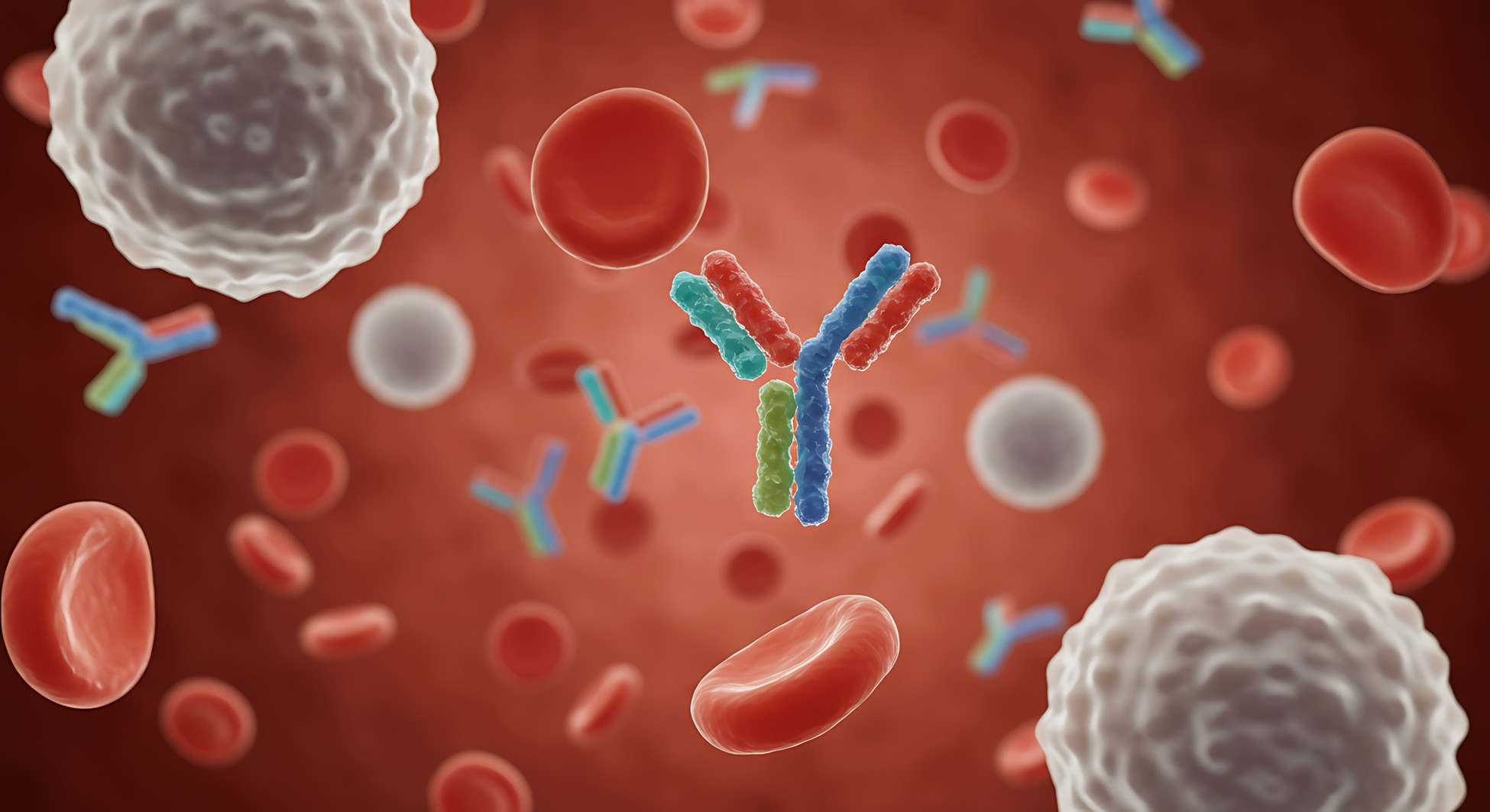
Selecting antibodies may appear straightforward on the surface, until you begin comparing assay conditions, antigen structure, validation data, and reagent consistency. Suddenly, the “simple choice” becomes the quiet variable capable of reshaping your entire outcome. Every researcher has encountered that moment: a blot that looks different than expected, an IHC stain with low clarity, or an ELISA curve that refuses to cooperate. Antibody selection is the hidden root cause of most of these frustrations.
Selecting the appropriate reagent is not merely a task; it significantly influences the outcome of your study, its repeatability, and its defensibility. And in labs where timelines are short and sample numbers are limited, trial-and-error isn't possible. That's precisely why knowing how to pick the right antibody is essential, not just useful. Good reagents are more than just tools; they set the standard for the science you conduct on a daily basis.
What separates seasoned teams from constantly troubleshooting ones is not luck, it’s the ability to evaluate antibodies with a sharper, more informed lens.
The first step isn’t looking at catalogs or comparing price points. It’s understanding what your assay truly requires.
Antibodies that function effectively under denatured conditions are necessary for assays like Western blotting. The three main determinants for IHC are tissue-specific background, fixation technique, and epitope exposure. The most important factors in ELISA are clean curve formation and binding strength.
This is the point at which polyclonal antibodies come into action. Their multi-epitope recognition often gives them an edge in assays where sensitivity and detection of low-abundance proteins are essential. Because they bind to several epitopes, they can maintain performance even when proteins are partially degraded, conformationally altered, or present at minimal levels.
Knowing these small differences makes sure you choose on purpose and not by chance.
Antibody specificity is the difference between a clean result and hours of troubleshooting. Non-specific binding isn’t just inconvenient; it can distort interpretations and compromise entire datasets.
Assessing specificity means:
Because polyclonal antibodies can bind to many places on the same antigen, they are a popular choice among researchers. This feature boosts the reliability of detection, particularly when working with protein variations or samples that have been exposed to varying preparation conditions.
Some targets are easy to find and hit. A lot of them aren't. When you look at signaling molecules, proteins with low expression, or samples that change a lot, the sensitivity of your assay tells you if it picks up something important or not.
This is where polyclonal antibodies offer a measurable advantage.
Their natural affinity for multiple epitopes often produces:
One of the defining characteristics of contemporary scientific effort is reproducibility. Even if you maintain your equipment, manage your technique, and create flawless samples, your results could still vary if your reagent changes from batch to batch.
It’s one of the most overlooked variables in research.
Producers who invest in strict purification, standardized immunization protocols, and meticulous batch testing help ensure the antibodies you received last month behave exactly like the ones you'll receive next quarter. This is very important for polyclonal antibodies because the natural differences in B-cell responses need careful quality control to make sure they work consistently.
You can be quietly thrown off your workflow when an antibody comes in perfect condition but degrades during storage. Stability depends on having the right buffer mix, proper long-term storage conditions and packaging that keep the antibody safe from temperature changes.
The best suppliers test their antibodies for:
This is especially valuable for research teams managing long study timelines or working with sensitive applications where even slight degradation affects performance.
Selecting the right antibody is one of the most strategic decisions a researcher makes. It influences accuracy, reproducibility, and confidence in your opinions. The scientific world already brings enough variables to manage - your antibodies shouldn’t be one of them.
By approaching antibody selection with the same rigor you apply to your experimental design, you equip your work with a stronger, more dependable foundation.
And in many of those decisions, high-affinity polyclonal antibodies continue to prove their value, especially in assays requiring sensitivity, epitope diversity, and adaptable performance across changing conditions.
The right antibodies elevate your work to another level.